

Skin Condition
Melasma:
Achieving a Clearer, More Even Complexion
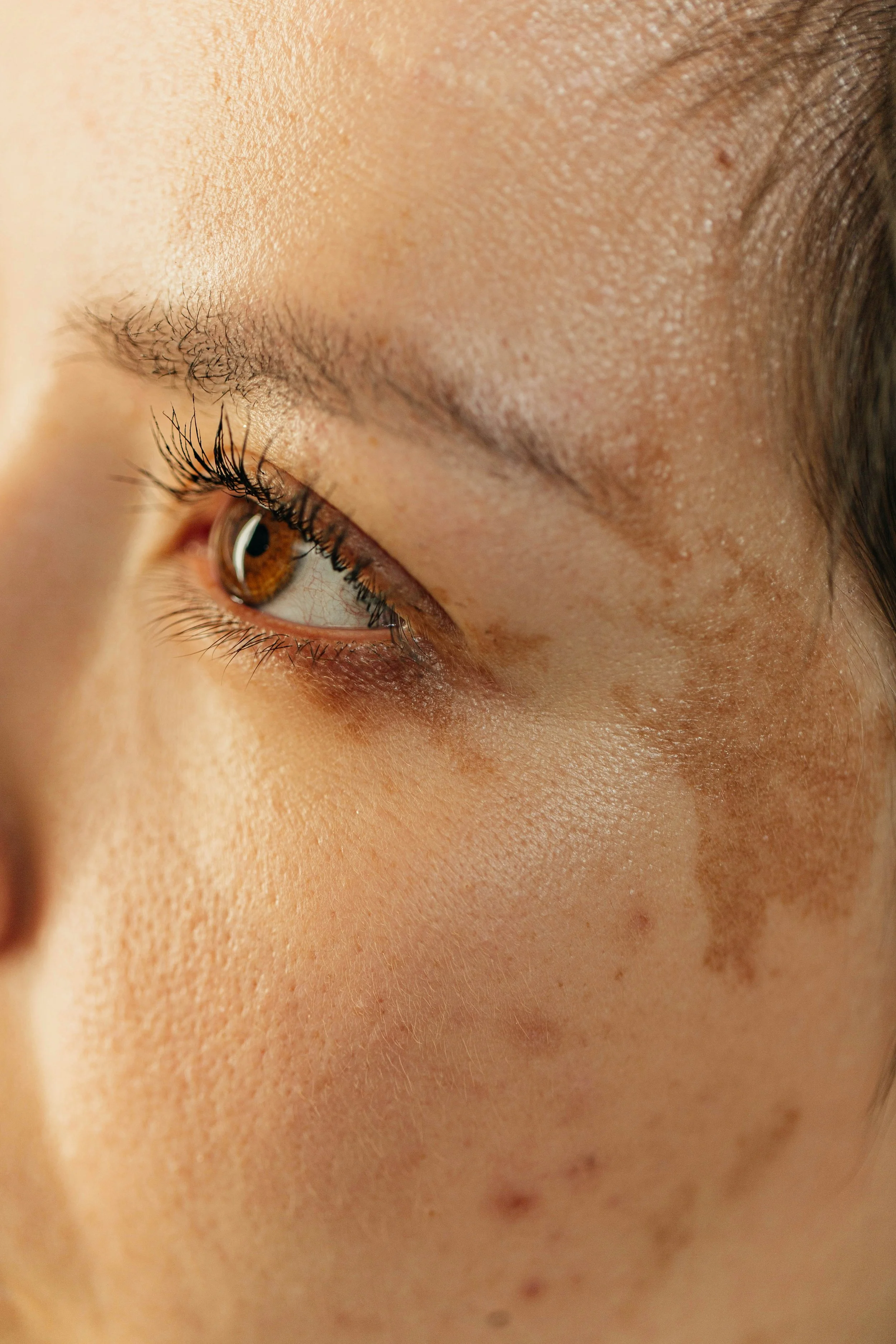
Melasma is one of the most common and most stubborn pigmentation concerns we see at Dermal Glow. Unlike other forms of pigmentation, melasma is deeply linked to hormones and sun exposure, making it a condition that requires careful, consistent management rather than a one-off fix. With the right combination of in-clinic treatment and home care, it can absolutely be controlled and significantly improved.
The Different Kinds of Melasma You Might Be Seeing
Melasma tends to show up in a few recognisable patterns, and identifying which one you have helps guide the most effective approach:
Centrofacial Melasma: The most common pattern, appearing across the forehead, nose, upper lip, and chin — essentially the central panel of the face.
Malar Melasma: Patches sitting across the cheeks and nose in a distribution similar to a butterfly, often symmetrical on both sides of the face.
Mandibular Melasma: Less common, appearing along the jawline and lower face, often associated with hormonal changes rather than sun exposure alone.
Epidermal Melasma: Pigment sitting closer to the skin's surface, typically appearing more brown in tone and responding better to topical and light-based treatments.
Dermal Melasma: Pigment sitting deeper within the skin, appearing more blue-grey in tone and generally more resistant to treatment, often requiring a longer, more layered approach.
Understanding Melasma and How Our Treatments Work
Melasma develops when melanocytes, the pigment-producing cells in the skin, become overactive and produce excess melanin in localised areas. Unlike freckles or sunspots, which are driven largely by cumulative UV exposure, melasma involves a more complex interaction between hormonal signals, UV exposure, and the melanocytes themselves. Oestrogen and progesterone stimulate melanocyte activity, which is why melasma is so common during pregnancy, while taking oral contraceptives, or during hormonal shifts around perimenopause. UV exposure then acts as the key trigger that activates these already-primed melanocytes, producing visible pigmentation.
What makes melasma particularly challenging is that these melanocytes remain persistently sensitised — even after successful treatment clears the visible pigmentation, the underlying tendency to overproduce melanin doesn't go away. This is why melasma is considered a chronic condition to be managed rather than cured, and why daily, consistent sun protection isn't optional but genuinely central to keeping results. Any unprotected UV exposure, even incidental daily exposure from walking to the car or sitting near a window, can reactivate pigmentation, sometimes within days of treatment.
Effective in-clinic treatment targets overactive melanocytes through a combination of approaches: reducing the activity of the enzymes responsible for melanin production, encouraging the shedding of already-pigmented skin cells through exfoliation and cell turnover, and calming the vascular component that often underlies and drives melasma activity. At home, a skincare routine built around ingredients that regulate pigment production, combined with daily broad-spectrum SPF, is what protects and extends the results achieved in clinic.

Why it happens
What Causes Melasma?
Hormonal Influences:
Oestrogen and progesterone directly stimulate melanocyte activity, making melasma strongly associated with pregnancy, oral contraceptives, hormone replacement therapy, and hormonal fluctuations around perimenopause.
UV Exposure:
Sunlight is the primary external trigger that activates overactive melanocytes, making consistent daily SPF the single most important factor in both preventing and managing melasma long-term.
Genetics:
A family history of melasma significantly increases the likelihood of developing it, and it is more prevalent in those with medium to deeper skin tones where melanocytes are naturally more active.
Heat and Inflammation:
Beyond UV, heat itself — from sun exposure, saunas, or even hot showers — can trigger melanocyte activity, and any inflammatory response in the skin can also stimulate pigment production in those who are predisposed.
Our Go-To Treatments for Melasma
Melasma responds best to a consistent, layered approach that combines in-clinic treatment with diligent home care. Because the melanocytes responsible for melasma remain reactive long after visible pigmentation has cleared, treatment is as much about ongoing management as it is about initial improvement.

-
MOXI™ Laser:
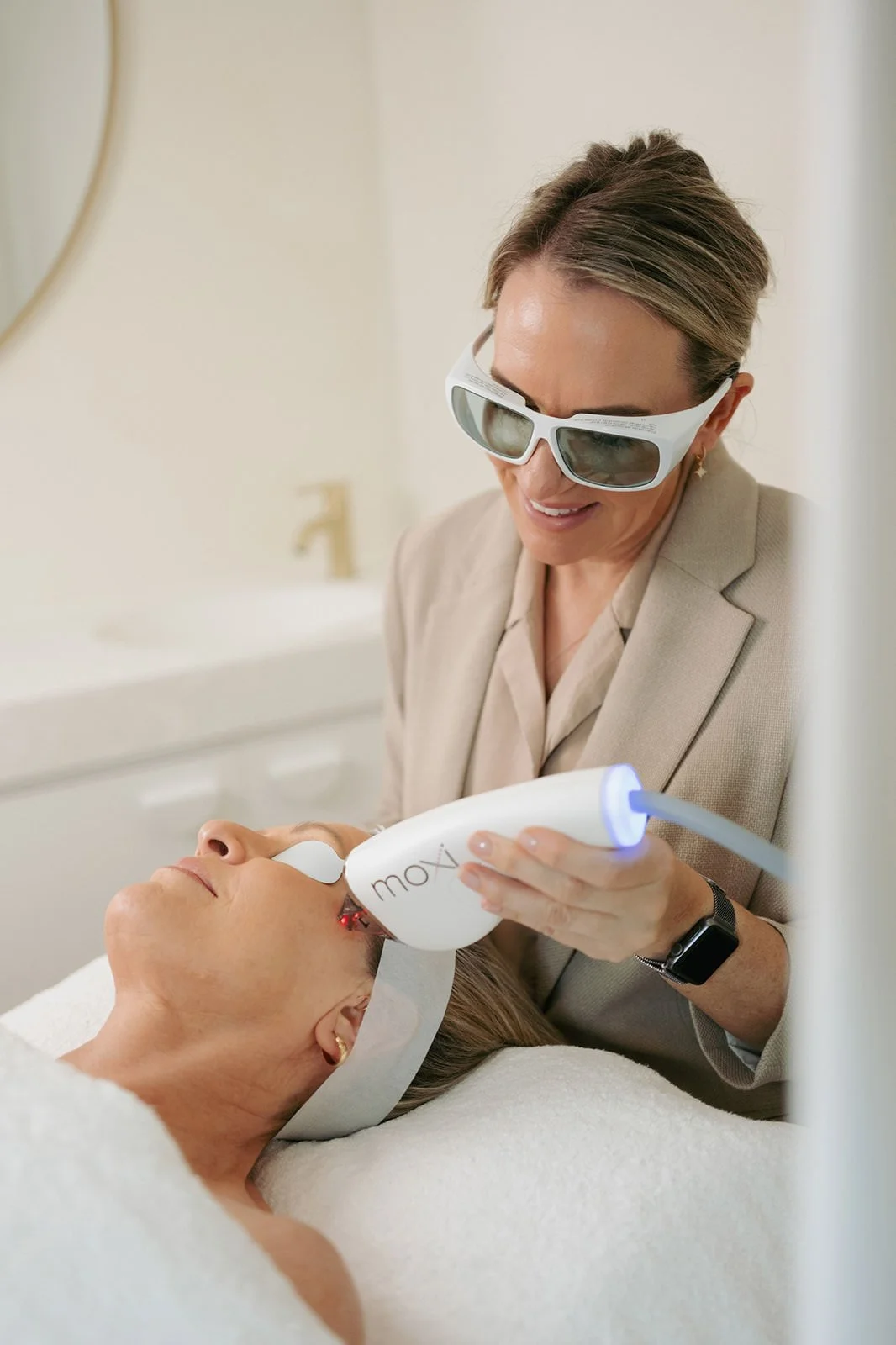
A gentle fractional laser that encourages healthy cell turnover and the shedding of pigmented skin cells, while stimulating collagen renewal in the surrounding tissue. MOXI is particularly well suited to melasma as it works more gradually than more aggressive resurfacing options, reducing the risk of triggering a rebound inflammatory response that can worsen pigmentation in sensitive or predisposed skin.
-
Cosmelan:
A professional depigmentation system that works by inhibiting the enzymes responsible for melanin production, effectively regulating overactive melanocytes at the source. Cosmelan combines an in-clinic application with a structured home maintenance programme, making it one of the most comprehensive and clinically proven approaches available for managing melasma.
-
Deep Sea Peel:
A gentler peeling treatment that encourages healthy cell turnover and the shedding of pigmented skin cells, making it an excellent option for those who cannot undergo more intensive treatments — including during pregnancy, when many active ingredients and light-based devices are contraindicated. The Deep Sea Peel offers a safe, effective way to manage and improve melasma during this time.