
Skin Condition
Impaired Barrier & Eczema:
Restoring Calm, Resilient Skin
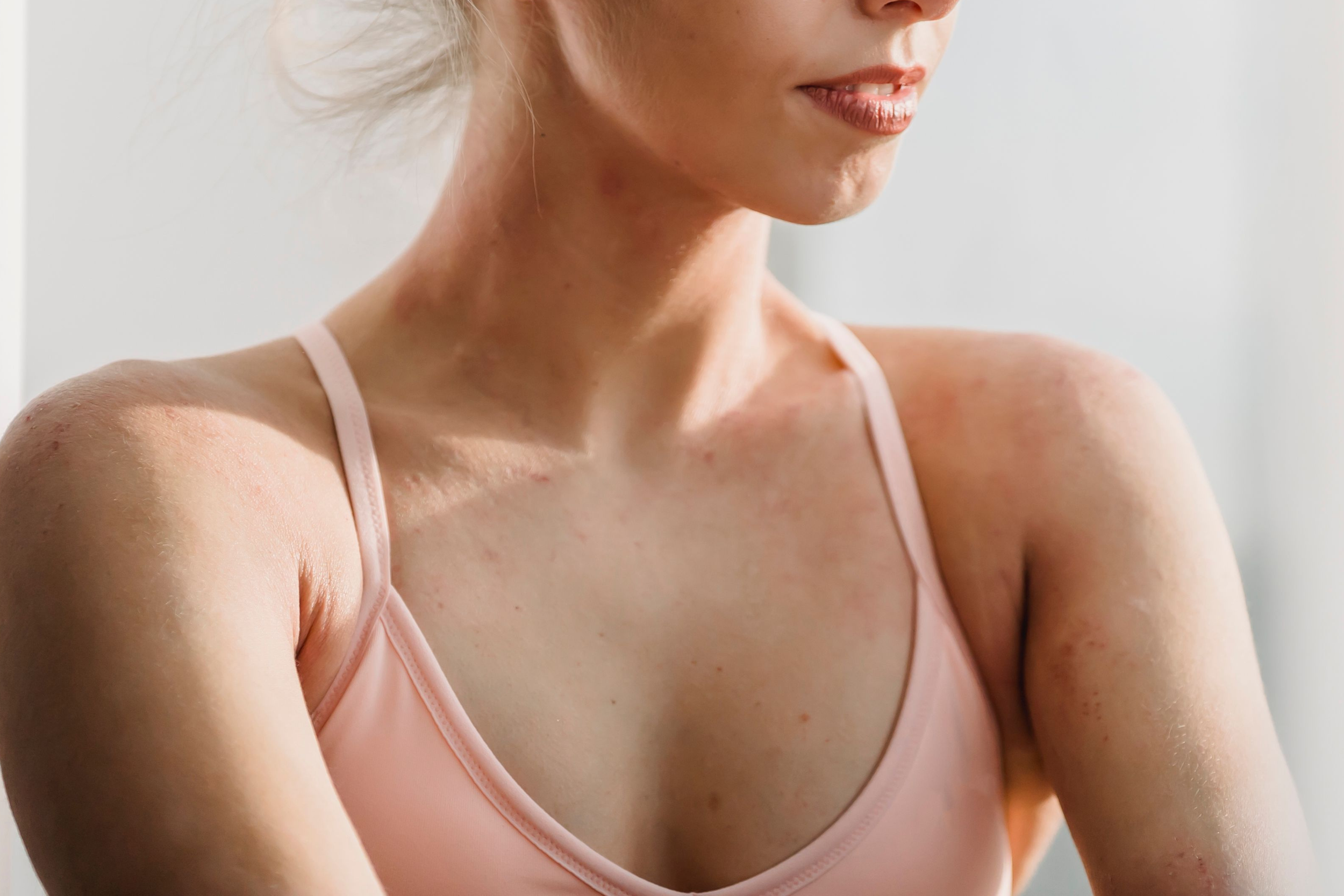
A compromised skin barrier and conditions like eczema can leave skin feeling tight, dry, irritated, and reactive, often with visible redness, flaking, or sensitivity that flares unpredictably. At Dermal Glow, we focus on calming inflammation and genuinely rebuilding your skin's barrier function, rather than just masking symptoms, to help restore comfortable, resilient skin long-term.
The Different Kinds of Barrier and Eczema Concerns You Might Be Seeing
Barrier impairment and eczema can present in a few different ways, and understanding which one you're dealing with helps guide the right approach:
Impaired Barrier Function: Skin that feels persistently tight, dry, or reactive, often stinging in response to products that wouldn't normally bother it, with a dull or rough texture as moisture escapes more easily than it should.
Atopic Dermatitis (Eczema): A chronic inflammatory condition causing dry, intensely itchy patches that can become red, cracked, or weepy during flares, often linked to genetics and a naturally weaker barrier from birth.
Contact Dermatitis: Localised irritation or an allergic reaction triggered by direct contact with a specific product, fabric, or substance, causing redness, itching, or a rash in the exact area of contact.
Sensitised Skin: Skin that has become reactive over time, often due to over-exfoliation, harsh actives, or environmental damage, resulting in stinging, redness, or breakouts in response to products previously tolerated well.
Dehydrated Skin: Skin lacking adequate water content (distinct from oil-dry skin), often appearing fine-lined, dull, and tight, even in those who are otherwise oily or acne-prone.

Understanding Barrier Impairment and Eczema
The skin's outermost layer, the stratum corneum, works much like a brick wall: skin cells act as the bricks, while lipids, including ceramides, cholesterol, and fatty acids, act as the mortar holding everything together. This structure is what keeps moisture in and irritants, allergens, and bacteria out. When this lipid mortar is depleted, whether through genetics, environmental damage, harsh skincare, or chronic inflammation, the barrier becomes porous, allowing water to escape more easily and irritants to penetrate more readily. This is what's actually happening beneath the surface when skin feels tight, looks dry, or reacts to products it previously tolerated.
In eczema specifically, this barrier dysfunction is compounded by genetics and immune system involvement. Many people with eczema have a mutation affecting filaggrin, a protein essential for forming the skin's protective barrier, meaning their barrier is structurally weaker from the outset. Combined with an overactive immune response that triggers inflammation in reaction to normally harmless triggers, this creates a frustrating cycle: a weakened barrier allows more irritants in, which triggers more inflammation, which further damages the barrier, perpetuating the flare. Breaking this cycle requires addressing both sides at once, calming the inflammatory response while actively rebuilding the structural barrier itself.
Because inflammation and barrier damage feed into each other, effective treatment needs to interrupt the cycle from both directions at once. Certain wavelengths of light work by reducing inflammatory activity within the skin without generating heat or causing further irritation, making them particularly well-suited to calming reactive or inflamed skin that wouldn't tolerate more intensive treatments. Rebuilding the barrier itself relies on directly replenishing what's been lost, with treatments that deliver hydrating, bio-active compounds into the skin to restore the structural building blocks of a healthy barrier, supporting the skin's own repair processes and improving its ability to retain moisture and resist irritation going forward.
Why it happens
What Causes Barrier Impairment and Eczema?
Genetics:
Conditions like eczema often involve inherited genetic factors, including mutations affecting filaggrin production, that result in a structurally weaker barrier from birth.
Over-Exfoliation and Harsh Actives:
Excessive use of exfoliants, retinoids, or other strong active ingredients can strip the skin's protective lipid layer faster than it can be replenished.
Environmental Factors:
Cold weather, low humidity, harsh water, and pollution can all draw moisture from the skin and contribute to barrier breakdown..
Immune System Dysfunction:
In eczema, an overactive immune response causes the skin to react with inflammation to triggers that wouldn't normally cause a reaction, perpetuating ongoing flares.
Our Go-To Treatments for
Barrier Impairment and Eczema
We combine calming, repair-focused treatments with genuine barrier rebuilding to interrupt the inflammation cycle and support skin that's better able to protect and regulate itself over time.
-
LED Therapy:
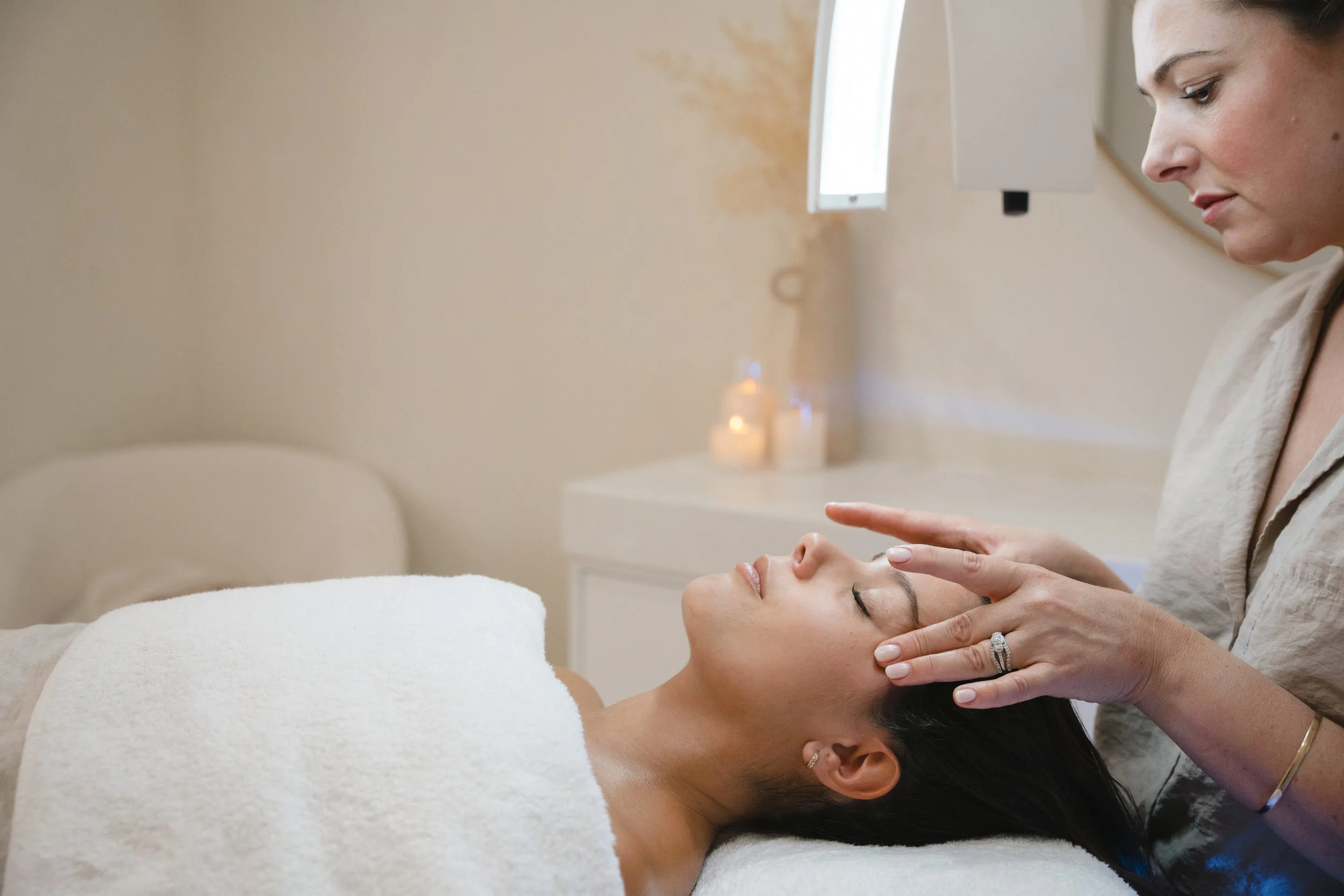
A gentle, non-invasive treatment using specific wavelengths to calm inflammation and support the skin's natural repair processes, without generating heat or further irritating already reactive skin. It's an excellent option for actively flaring or highly sensitised skin that needs calming before more active treatments are introduced.
-
DMK Enzyme Therapy:
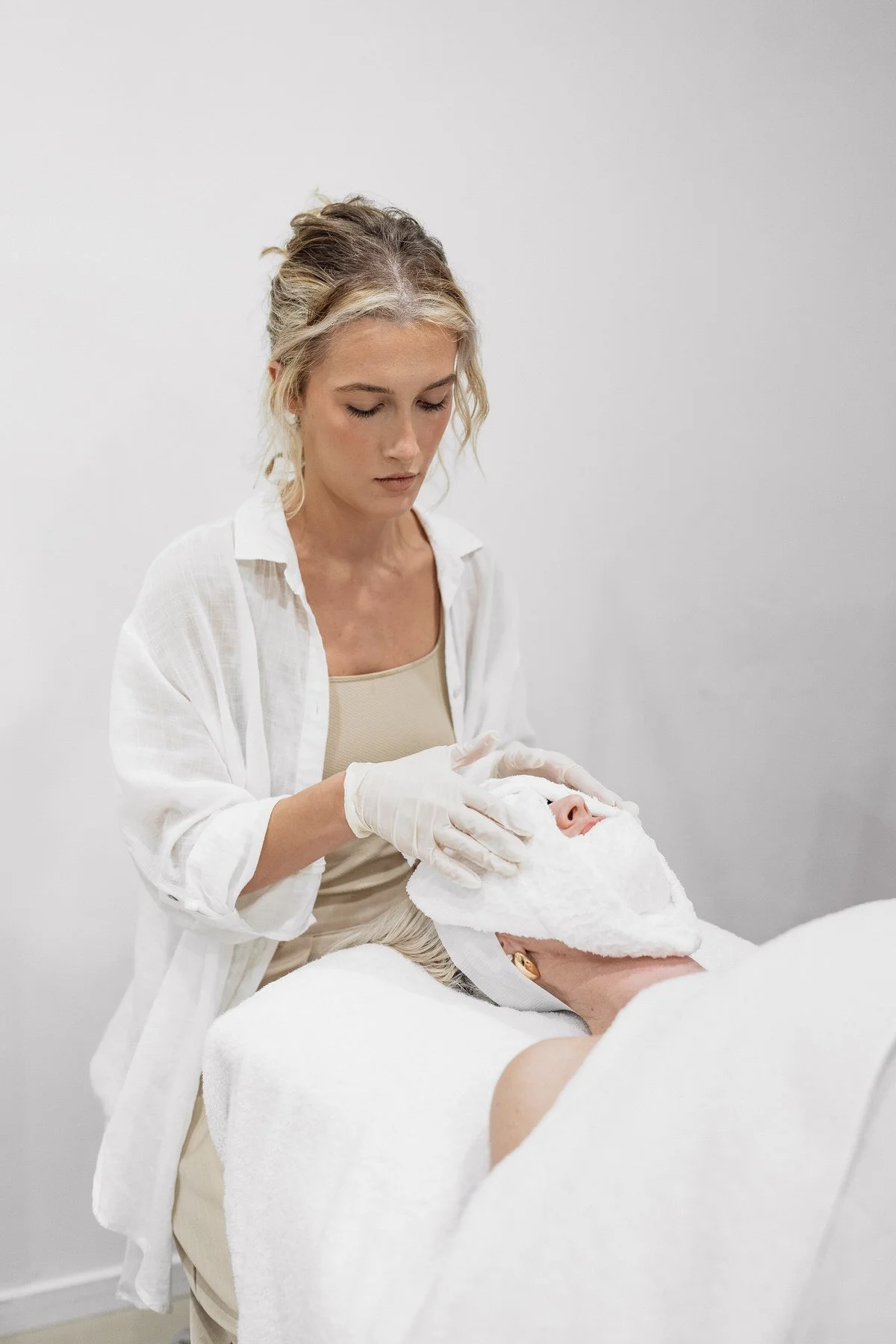
Uses enzymatic masking to increase circulation and oxygenation in the skin, helping to detoxify and support the skin's own repair mechanisms from within, encouraging healthier function rather than simply sitting on the surface.
-
Rejuran:
A bio-stimulating injectable containing polynucleotides that support tissue repair and hydration at a deeper level, helping to genuinely rebuild the skin's structural and barrier function from within, rather than offering only temporary surface relief.
