
Do Clinical Peels Help With Pigmentation, Acne Scars and Skin Texture?
Clinical peels can visibly improve the appearance of pigmentation, acne scarring and rough or uneven skin texture, with visible change possible even after a single session. How much improvement you get depends on the strength of the peel used, the concern being treated and how consistently you follow the aftercare plan.
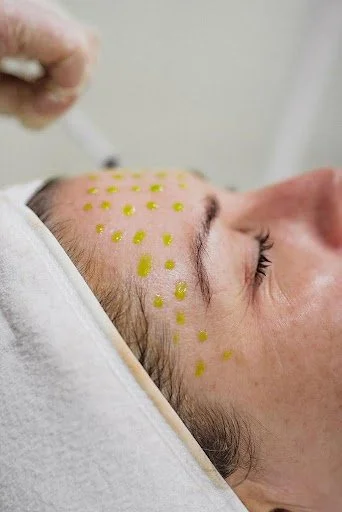
What Are Clinical Peels and How Do They Work?
Clinical peels work by applying a professional-strength solution to the skin that breaks down damaged surface cells so healthier ones can take their place. This controlled process encourages skin to renew itself faster than it would on its own.
The strength of the peel determines the depth it reaches. A lighter formula lifts away the outer layer with little to no downtime, while a deeper option reaches further into the skin and produces more dramatic change.DermNet NZ notes that peeling away damaged surface layers can even out skin tone and texture, and may prompt the skin to lay down fresh collagen. People comparing clinical peels in Tauranga clinics usually need a short consultation first, since skin type and goals both play a part.
People often ask, do clinical peels help with pigmentation?, and the answer is yes, because controlled exfoliation encourages pigmented cells to shed faster than they would on their own.
What Are the Benefits of Clinical Peels?
The benefits of a clinical peel go beyond a fresher-looking face. Smoother texture, a more even tone and less dullness are the results most people are after, and some improvement can be visible within days.
Depending on the peel chosen, results can also include softened fine lines, reduced congestion and a brighter overall complexion. If you've been asking what are the benefits of clinical peels?, the honest answer is that it depends on which peel you use. A gentle option like BioRePeel focuses on exfoliation and hydration with no downtime, while a stronger option like the Deep Sea Peel targets deeper concerns such as pigmentation and early signs of ageing.
Clinical Peels Tauranga: Which Treatments Does Dermal Glow Offer?
Dermal Glow, with clinics in Tauranga, Ōhope Beach and Pāpāmoa Beach, offers three main clinical peels. The right one for you comes down to what you want to improve and how much downtime you can manage.
BioRePeel: an acid blend that exfoliates without downtime, suited to congested, acne-prone or ageing skin.
Deep Sea Peel: a marine-based, acid-free peel that targets pigmentation, fine lines and overall texture, safe to use during pregnancy or breastfeeding.
Cosmelan® Depigmenting Peel: a specialised course designed for stubborn pigmentation such as melasma, sun spots and post-acne marks.
How often should you get a clinical peel with each of these? Knowing this can help you plan ahead, since BioRePeel, Deep Sea Peel and Cosmelan all work on different schedules. Anyone comparing clinical peels in Tauranga and surrounding suburbs will find that not every clinic offers all three, so it's worth checking what a provider actually has on their treatment menu before booking.
Do Clinical Peels Help With Pigmentation?
Yes, clinical peels are a widely used non-surgical option for improving the appearance of pigmentation, particularly sun spots, freckles and post-acne marks. The peel encourages pigmented surface cells to shed, revealing skin underneath that looks more even.
For more stubborn pigmentation such as melasma, a targeted course like Cosmelan is often recommended rather than a single light peel. So, do clinical peels help with pigmentation? You can see how this plays out for real clients on ourresults gallery, though outcomes vary depending on sun exposure and hormonal changes.
Can Clinical Peels Improve Acne Scars and Skin Texture?
Clinical peels can improve the appearance of mild to moderate acne scarring and rough texture, though they work better on shallow marks than on deep, pitted scars. A review of chemical peels for acne and acne scarring found that peels with deeper penetration can meaningfully improve scar appearance when used as part of a wider treatment plan.
At Dermal Glow, BioRePeel is often chosen for acne-prone and scarred skin because its acid blend supports collagen production while calming active breakouts. Understanding what are the benefits of clinical peels for scarring specifically helps set realistic expectations, since results build gradually rather than overnight.
How Often Should You Get a Clinical Peel?
How often you should get a clinical peel depends on the type used and what you're treating, but light peels are often spaced four to six weeks apart. Stronger or more targeted treatments need longer between sessions to allow the skin to fully recover.
Cosmelan is different again. Because it works as an intensive course, most people only need to repeat it every one to two years, even for stubborn pigmentation. Your therapist will confirm the right interval for your skin during your consultation, since sensitivity, sun exposure and how your skin responds to the first treatment all play a part.
What Happens During and After a Clinical Peel?
During treatment, your skin is cleansed and prepped before the chosen peel is applied for a set amount of time, depending on strength. Most people feel a mild tingling or warm sensation rather than pain.
Afterwards, downtime varies. BioRePeel typically needs none at all, while stronger peels can bring three to five days of light shedding, as Dermal Glow notes on their own treatment page. Cosmelan involves a longer process, with visible peeling from around day three and full results appearing over the following ten to fourteen days. Getting clear on what are the benefits of clinical peels before you book helps you choose the right strength for your downtime tolerance. A therapist will always confirmhow often should you get a clinical peel based on how your skin responds to the first treatment, rather than following a fixed schedule.
Whichever peel is used, sun protection with SPF 30 or higher is essential while skin recovers, since freshly treated skin is more sensitive to UV.
How Much Do Clinical Peels Cost in Tauranga?
Perfecting Peel — $110
Timeless Peel — $120
D-tox Peel — $130
Sensi Peel — $140
Deep Sea Peel — $280-$350
BioRePeel (face) — $249-$299
Cosmelan is priced individually at consultation, since the course is tailored to the severity of pigmentation being treated. An initial skin consultation at Dermal Glow costs $50 and is redeemable against any treatment or product. ComparingClinical Peels Tauranga pricing side by side makes it easier to choose a treatment that fits your budget.
Frequently Asked Questions
Are clinical peels safe for sensitive skin? Yes, most clinics offer a lighter peel option formulated for sensitive skin. A consultation beforehand helps confirm the right strength for your skin type.
Can I wear makeup after a clinical peel? This depends on the peel. Lighter options like BioRePeel allow makeup soon after, while deeper peels such as Cosmelan require a few days of recovery first.
Do clinical peels hurt? Most people describe a tingling or warm sensation rather than pain. Stronger peels may cause more noticeable tightness or stinging during application.
Will my skin peel visibly after treatment? Some peels cause visible flaking over several days, while others produce no visible peeling at all. Your therapist will tell you what to expect for the specific peel chosen.
Can clinical peels be combined with other treatments? Yes, peels are often paired with treatments like LED therapy or skin needling to boost results. Your therapist can advise on the best combination for your goals.
Are clinical peels suitable during pregnancy? The Deep Sea Peel is safe to use during pregnancy or breastfeeding, but other peels may not be. Always disclose pregnancy or breastfeeding during your consultation.
How soon will I see results? Some improvement is visible within days for lighter peels, while a course like Cosmelan shows full results after ten to fourteen days. Ongoing maintenance helps sustain the outcome.
What should I avoid before booking a peel? Avoid other exfoliating treatments, retinol and excessive sun exposure in the days leading up to your appointment. Your therapist may also recommend prepping your skin with specific homecare beforehand.
Can clinical peels treat all skin tones? Most peels are suitable for a range of skin tones, though deeper peels carry more risk of pigmentation changes in darker skin. A consultation will confirm which option is appropriate for you.
Is one treatment enough, or do I need a course? A single treatment can improve tone and texture, but a course of peels produces more lasting change for concerns like pigmentation and acne scarring. Your therapist will recommend a plan based on your skin's response.
Ready to see what the right peel could do for your skin? Call (027) 278 2422 or book a consultation withDermal Glow and find the treatment that fits your goals.