
Check Out Our LED Light Therapy Ōhope Beach
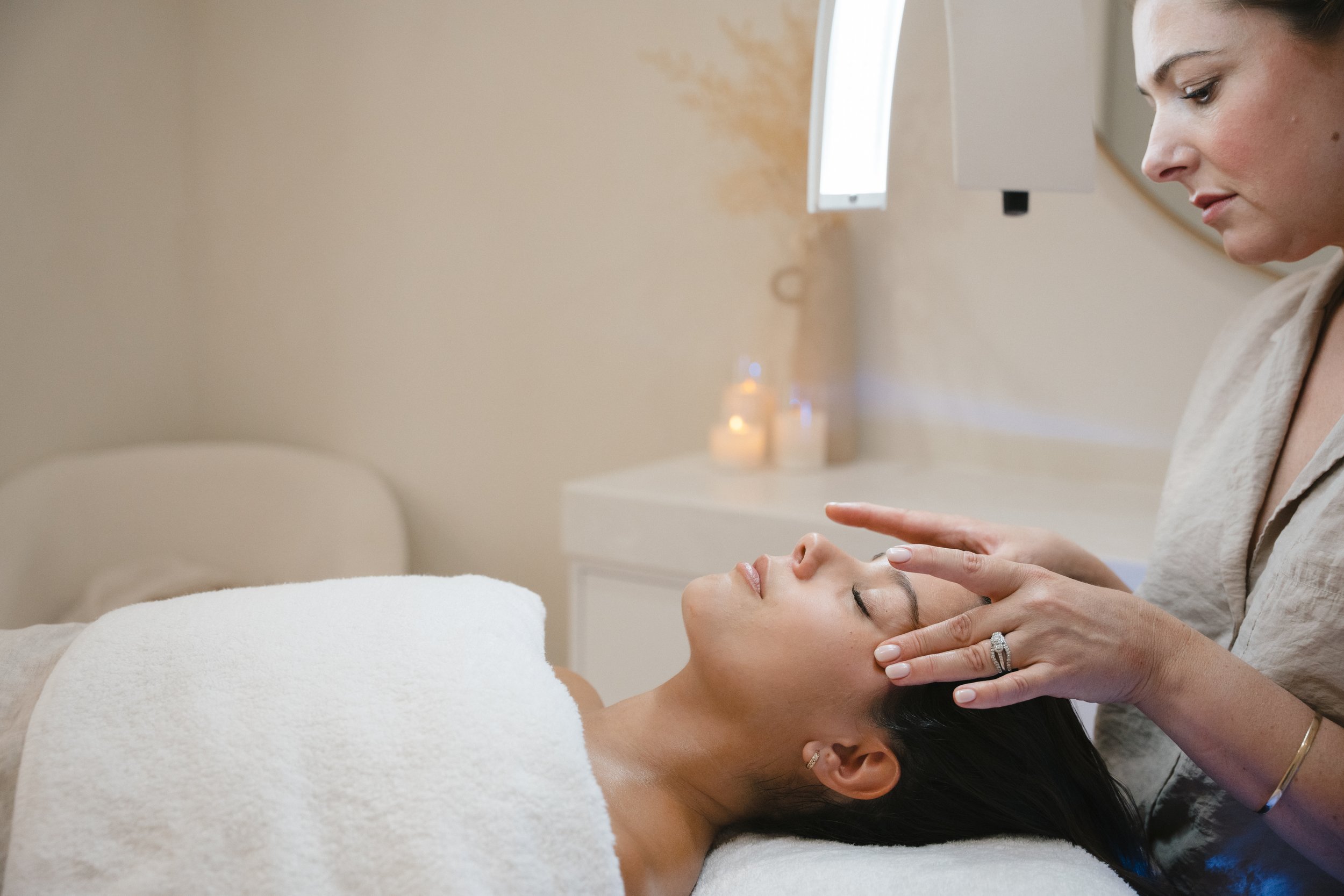
A quick, relaxing LED session at Dermal Glow's Ōhope Beach clinic settles congestion and dials down redness in around 30 minutes, with no downtime and no needles involved. It works by using specific light wavelengths to trigger the skin's own repair processes, and it suits a wide range of concerns from congestion to redness to a general loss of glow.
There's no numbing cream, no recovery time, and nothing to plan around afterwards, so it works just as well on a lunch break as before a weekend at the beach. Some people book it as a stand-alone reset, others add it on to a facial already booked in. Either way, the wavelength is chosen based on what the skin needs that day, not a single generic setting.
Where Can You Get LED Light Therapy Ōhope Beach?
Dermal Glow runs LED light therapy Ōhope Beach sessions from our clinic at 179 Pohutukawa Avenue, Ōhope Beach. The same Dermalux system is also available at the Pāpāmoa clinic for anyone in that part of the Bay.
Sessions run for up to 30 minutes and use the Dermalux system, a system used in clinics internationally. A single LED session at Dermal Glow is $59, or it can be added on to a HydraFacial or another skin treatment for $30.
What Is Dermalux LED Therapy Treatment?
Dermalux LED therapy treatment uses three clinically studied wavelengths, blue at 415nm, red at 633nm, and near-infrared at 830nm, delivered either on their own or combined in a single session. It is one of the gentlest options on the Dermal Glow treatment menu, which is why it often sits alongside more intensive treatments like BBL or Moxi rather than replacing them.
The system can also target multiple concerns in the one appointment. Someone dealing with both breakouts and dullness, for example, can have blue and red light delivered together instead of needing two separate visits.
How Does LED Light Therapy Work For Skin?
How does LED light therapy work for skin? It works by delivering those specific wavelengths of light into the skin, where the light energy is absorbed and used to trigger those processes. There's no heat, and nothing breaks the skin's surface, so downtime isn't part of the process, which is why it suits people who want visible support without recovery time.
Different wavelengths reach different depths of the skin, and each one supports a different function, a principle well documented in photobiomodulation research. Blue light works close to the surface, red light reaches the mid-dermis, where collagen and elastin are produced, and near-infrared penetrates even deeper to support the skin's calming and repair processes.
In our sessions, a cleanse comes first, then the light panel is positioned over the skin, and the appropriate wavelength (or combination) is selected for the concern being addressed. Most people describe the session as relaxing, with a mild sense of warmth rather than any discomfort.
Which Wavelength Suits Your Skin Concern?
Working out which wavelength fits your specific skin concern is often the first question people ask before booking a Dermalux LED therapy treatment. The table below breaks down what each one supports.
Wavelength
Best suited for
What it supports
Blue (415nm)
Breakouts, congestion, oily skin
Targets acne-causing bacteria, helps balance oil production
Red (633nm)
Fine lines, dullness, uneven texture
Supports collagen and elastin production, boosts hydration
Near-infrared (830nm)
Redness, sensitivity, pigmentation
Supports the skin's calming and repair processes
A therapist at Dermal Glow will assess your skin first and recommend a wavelength, or a combination, rather than defaulting to the same setting for everyone.
How Does LED Compare To Other Treatments At Dermal Glow?
Dermal Glow offers a full range of skin treatments, from ClearSilk laser to Moxi to BBL to microneedling to LED light therapy Ohope Beach, which sits at the gentler end of that spectrum. Where laser and microneedling create controlled injury to trigger repair, LED does the same job without breaking the skin's surface, so it looks the same walking out as walking in.
That makes it a useful entry point for anyone new to in-clinic skin treatments, and a natural add-on for people already having a HydraFacial or a clinical peel, since the LED session builds on results rather than competing with them.
Can LED Light Therapy Improve Acne Scars?
Can LED light therapy improve acne scars? It can play a supporting role, particularly with red and near-infrared wavelengths, which target the deeper layers of skin where scar tissue and collagen imbalances are present. Red light targets the surface layers to promote a smoother-looking texture, while near-infrared penetrates deeper into the dermis to support collagen remodelling in the deeper layers over time.
Results build gradually and depend on consistency, so LED is generally positioned as one part of a longer-term plan for scarring rather than a single fix. Blue light is not typically used for scar improvement itself, but it can help reduce breakouts that cause new scarring in the first place.
Frequently Asked Questions
Does LED light therapy hurt? No. Most people describe the session as relaxing, with a mild warmth rather than any discomfort.
How long does a session take? Sessions run for up to 30 minutes, including the initial cleanse.
How many sessions are needed to see results? This depends on the concern. Ongoing skin quality support typically requires a series of sessions, while a one-off session before an event can still provide an immediate glow.
Can LED therapy be combined with other treatments? Yes. It is often added on to a HydraFacial or clinical peel, or used alongside laser and microneedling treatments as part of a broader plan.
Is LED therapy suitable for sensitive skin? It is generally well tolerated, including on sensitive skin, though a therapist will still assess the skin first to confirm the right wavelength.
What does the treatment feel like? A gentle warmth on the skin while lying under the light panel, with no stinging or discomfort.
Is there any downtime after LED therapy? No. There is no recovery period, and most people go straight back to their day afterwards.
Can LED therapy help with redness or rosacea-type skin? Near-infrared light is the wavelength most often used to support calmer, less reactive-looking skin.
Does LED therapy help with breakouts? Blue light is the wavelength used to target acne-causing bacteria and support clearer-looking skin over time.
How much does LED light therapy cost at Dermal Glow? A single session is $59, or it can be added to another treatment for $30.
Can LED light therapy improve acne scars? Yes, particularly with red and near-infrared wavelengths used consistently over a series of sessions.
How does LED light therapy work for skin? It uses specific wavelengths of light absorbed by skin cells to support their natural repair processes.
The right wavelength depends on the concern, which is why a quick assessment beforehand makes the difference between a good session and the right one.
Book an LED facial treatment with Dermal Glow to get matched with the right wavelength for your skin.